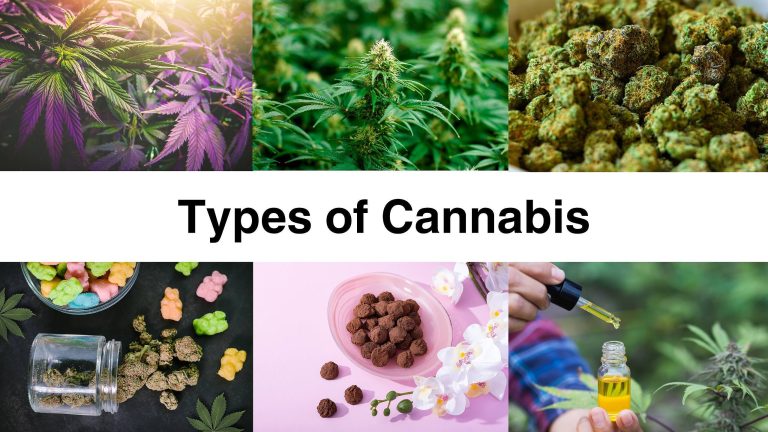
Cannabis is far more complex than just THC or CBD. Its effects are shaped by a diverse range of terpenes, the aromatic compounds that give each strain its unique scent and flavor profile. Beyond smell, terpenes interact with cannabinoids and with each other, influencing how cannabis affects mood, stress, and overall well-being. This interaction is often referred to as the entourage effect.
Among the many terpenes found in cannabis, linalool and beta-caryophyllene stand out for their calming and therapeutic properties. When combined, these compounds may create a powerful synergy that supports relaxation, stress relief, and emotional balance.
What Are Terpenes?
Terpenes are natural compounds found in plants, fruits, herbs, and cannabis flowers. They are responsible for the aromas we associate with lavender, citrus, pine, or spices. But terpenes are more than just fragrant—they also interact with receptors in the body to produce specific effects.
In cannabis, terpenes can:
- Influence mood and energy levels
- Modulate pain and inflammation
- Enhance or soften the effects of cannabinoids like THC and CBD
- Provide therapeutic benefits on their own
Understanding how different terpenes work individually and in synergy allows consumers to make more informed choices about strains or products.
Linalool: The Calming Terpene
Linalool is most famous for its presence in lavender, giving the herb its soothing floral aroma. It is also found in cannabis, basil, and some citrus fruits.
Potential Benefits of Linalool
- Stress and Anxiety Relief: Linalool is associated with calming the nervous system, making it useful for relaxation and mood balance.
- Sleep Support: Because of its sedative-like properties, linalool may aid in falling asleep and improving sleep quality.
- Pain and Inflammation Reduction: Studies suggest it may reduce sensitivity to pain and calm inflammatory responses.
In cannabis, linalool contributes to strains that are often described as calming, soothing, and mellow.
Beta-Caryophyllene: The Spicy Protector
Beta-caryophyllene is a terpene found in black pepper, cloves, and cinnamon. In cannabis, it produces a spicy, earthy, and woody aroma. What makes caryophyllene unique is its ability to act as both a terpene and a cannabinoid-like compound, binding directly to CB2 receptors in the body’s endocannabinoid system.
Potential Benefits of Beta-Caryophyllene
- Anti-Inflammatory Properties: By interacting with CB2 receptors, caryophyllene helps regulate immune responses and reduce inflammation.
- Stress and Anxiety Relief: Like linalool, it has been linked with calming effects, though through a different mechanism.
- Pain Relief: Caryophyllene’s anti-inflammatory effects often translate into reduced pain perception.
This terpene is often described as comforting, grounding, and balancing.
The Power of Synergy: Linalool + Caryophyllene
When combined, linalool and caryophyllene may amplify each other’s therapeutic effects, creating a deeper sense of relaxation. This synergy can be explained through the entourage effect, where different cannabis compounds work together for enhanced outcomes.
How the Synergy Works
- Dual Pathways to Relaxation:
- Linalool works by calming the central nervous system.
- Caryophyllene works by activating CB2 receptors to reduce stress and inflammation.
Together, they address both the mind and body.
- Enhanced Stress Relief:
- Linalool reduces anxiety by lowering excitability in the brain.
- Caryophyllene stabilizes emotional responses through the endocannabinoid system.
- Balanced Sedation Without Overwhelm:
- Linalool’s sedative qualities may be softened by caryophyllene’s grounding presence, creating a more balanced relaxation effect.
This pairing may be especially helpful for those seeking stress relief without feeling overly drowsy.
Practical Applications
1. Strain Selection
Consumers looking for strains high in both linalool and caryophyllene should consider certain indica-dominant hybrids or cannabis varieties bred for relaxation and nighttime use. Strains with lavender or spicy-earthy aromas often contain this terpene duo.
2. Edibles and Extracts
Cannabis-infused edibles, tinctures, or vape products rich in linalool and caryophyllene can provide targeted benefits. This is especially useful for individuals seeking stress relief at the end of a long day.
3. Aromatherapy and Herbal Pairing
Outside of cannabis, lavender essential oil (linalool) and black pepper oil (caryophyllene) can be paired in aromatherapy practices for relaxation and emotional balance.
Who Might Benefit?
- People with Anxiety or Stress Disorders: The calming synergy may help regulate emotional tension.
- Individuals Struggling with Sleep: This terpene pairing may assist in transitioning into restful sleep.
- Chronic Pain Sufferers: By reducing inflammation and easing discomfort, linalool and caryophyllene may improve quality of life.
Risks and Considerations
While generally well-tolerated, the effects of terpenes can vary:
- Dosage Matters: Too much THC alongside these terpenes may cause heightened sedation or drowsiness.
- Individual Sensitivity: Some users may respond differently based on genetics or tolerance.
- Product Quality: The terpene profile depends on how the cannabis is grown, harvested, and processed.
Conclusion
The interaction between linalool and caryophyllene highlights how cannabis terpenes do more than add aroma—they can shape the entire experience. Together, these compounds offer a powerful synergy that promotes relaxation, eases stress, and supports overall well-being.
By understanding terpene combinations, consumers can make smarter choices, tailoring their cannabis experience toward calmness, balance, and deeper relaxation. As research continues, terpene synergies like linalool and caryophyllene may pave the way for personalized wellness strategies built on the natural chemistry of cannabis.