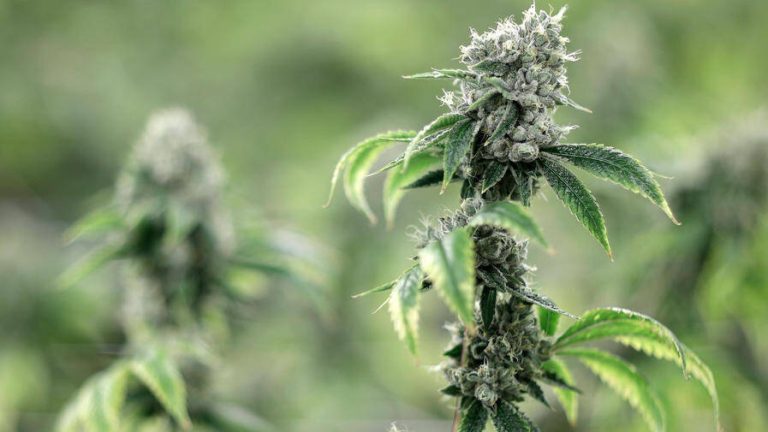
In recent years, both cannabis and psychedelics have gained renewed attention for their therapeutic and creative potential. While each has distinct effects on consciousness, many people experiment with combining them—a practice often called “stacking”. Cannabis and psychedelics have overlapping influences on mood, perception, and cognition, but the science of their cross-effects is still emerging. This article explores how cannabis interacts with psychedelics such as psilocybin, LSD, and DMT, what research suggests, and what risks and rewards may come with stacking.
Cannabis and Psychedelics: Different Yet Complementary
Cannabis primarily acts on the endocannabinoid system, with THC binding to CB1 receptors in the brain. This alters sensory perception, mood, and thought patterns. Psychedelics such as psilocybin and LSD, on the other hand, mainly influence the serotonin 5-HT2A receptors, leading to profound shifts in consciousness, time perception, and sense of self.
Although they act on different systems, their pathways intersect in the brain’s default mode network—the hub associated with self-reflection, creativity, and internal dialogue. This is why combining them can create unique cross-effects rather than simply intensifying each one independently.
The Potential Benefits of Stacking
1. Enhancing Sensory Perception
Both cannabis and psychedelics heighten sensory input. When combined, colors may appear more vivid, music may feel deeper, and textures may take on new significance. For artists or musicians, this synergy can amplify inspiration.
2. Emotional Release and Relaxation
Cannabis, especially in moderate doses, may ease anxiety and tension, creating a softer landing for the psychedelic journey. Some users find that cannabis helps them surrender more easily to the experience, reducing resistance or fear.
3. Prolonging or Shaping the Trip
Cannabis is sometimes used near the end of a psychedelic journey to reignite visuals or extend the reflective state. It can act like a bridge, stretching the afterglow phase and keeping the mind in an open, contemplative mode.
The Risks of Mixing
While some report profound synergy, stacking cannabis with psychedelics also comes with challenges and risks:
- Overstimulation: High doses of THC can intensify psychedelic anxiety, leading to paranoia or panic.
- Cognitive overload: Combining two powerful substances can overwhelm working memory, making integration difficult.
- Unpredictability: Individual tolerance, strain type, and dosage all influence outcomes, making cross-effects hard to control.
- Sleep disruption: Both cannabis and psychedelics can affect sleep cycles, and stacking may amplify insomnia.
Because of these risks, experienced psychonauts often recommend low to moderate cannabis use during a psychedelic journey rather than heavy consumption.
What Science Says
Limited Research
Scientific studies on stacking cannabis with psychedelics remain scarce. Most data comes from anecdotal reports and online surveys. However, early findings point to both potential benefits and complications.
Survey Data
A 2019 study published in Journal of Psychopharmacology reported that many psychedelic users intentionally combined cannabis to modulate the intensity of their experience. Some found cannabis calming, while others said it heightened the trip too much.
Neurological Overlap
Neuroscience suggests that cannabis may amplify the destabilization of the default mode network caused by psychedelics. This could explain why stacking sometimes leads to deeper ego dissolution, but also why it may cause confusion in certain users.
Therapeutic Implications
There is growing interest in whether stacking could have therapeutic value, particularly in trauma processing or creative therapy. However, controlled research is still lacking, and safety considerations remain paramount.
Best Practices for Safe Exploration
For those curious about stacking cannabis with psychedelics, mindful approaches are essential:
- Start low: Use small doses of cannabis, especially if stacking with a strong psychedelic like LSD or DMT.
- Know your strains: Indica strains may promote relaxation, while sativa strains can heighten stimulation—choose accordingly.
- Time it right: Some prefer cannabis at the start to ease into the trip, while others wait until the peak has passed.
- Set and setting: Safe, comfortable environments and supportive company reduce risks of anxiety or panic.
- Integration: Journaling or reflecting after the experience can help transform insights into long-term growth.
Conclusion
Stacking cannabis with psychedelics offers a complex interplay of benefits and risks. On one hand, cannabis may soften or enrich psychedelic journeys, enhance sensory perception, and extend reflective states. On the other hand, it can also intensify anxiety, disrupt focus, or create unpredictable effects.
Science has only begun to explore these cross-effects, and much of what we know comes from personal experimentation. Until more research emerges, the safest approach is one of mindful moderation, intentional use, and respect for both substances’ power.
For psychonauts, stacking may represent a frontier of consciousness exploration—a way of weaving two ancient tools into a single, potentially transformative experience. But as always, the key lies in balance, preparation, and integration.