Athletes, whether professional competitors or fitness enthusiasts, constantly push their bodies to new limits. Training often leads to muscle soreness, fatigue, and even mental strain. For years, traditional recovery methods like stretching, massage, and supplements have been the go-to solutions. Recently, however, cannabis—particularly tetrahydrocannabinol (THC)—has entered the conversation as a potential aid in recovery. While many associate THC with muscle relaxation, its potential benefits extend much further, touching areas like inflammation, sleep quality, and mental resilience.
Understanding the Role of THC
Shop THC is the primary psychoactive compound in cannabis, known for altering perception and mood. It interacts with the body’s endocannabinoid system (ECS), a network of receptors responsible for regulating pain, inflammation, mood, and recovery. When THC binds to cannabinoid receptors, it influences how the body perceives stress and manages healing, offering athletes more than just physical relaxation.
Pain Management and Inflammation
One of the biggest challenges for athletes is dealing with pain after intense training or injuries. THC may help by altering pain perception, allowing athletes to better tolerate discomfort while their bodies recover. In addition, some studies suggest that cannabis compounds have anti-inflammatory properties. For athletes dealing with swollen joints or overworked muscles, THC could reduce inflammation and support faster recovery.
Enhancing Sleep for Recovery
Rest is the foundation of athletic recovery, and THC may play a role in improving sleep quality. Many users report that cannabis helps them fall asleep faster and stay asleep longer. For athletes, better sleep translates to more efficient muscle repair, hormone regulation, and overall recovery. Unlike some sleep medications, THC may provide a more natural alternative, though dosage and strain selection remain critical.
Stress Relief and Mental Recovery
Athletic performance isn’t just physical—it’s deeply mental. Burnout, anxiety, and performance pressure can weigh heavily on athletes. THC’s ability to reduce stress and promote relaxation may help athletes reset mentally after demanding training sessions or competitions. This mental recovery can be just as important as healing the body, preventing overtraining and encouraging long-term consistency.
Appetite Stimulation and Nutrition
Recovery requires proper nutrition, but after intense exercise, some athletes struggle with reduced appetite. THC is well-known for stimulating hunger, often referred to as “the munchies.” This effect could benefit athletes by encouraging post-workout meals rich in protein and carbohydrates, which are essential for muscle repair and replenishing glycogen stores.
Potential Risks and Considerations
While THC offers promising recovery benefits, it is not without risks. High doses may impair coordination, reaction time, or focus—undesirable effects for athletes during training or competition. Dependence and tolerance are also possible with frequent use. Additionally, athletes in competitive sports must consider anti-doping regulations, as THC remains a banned substance in many professional leagues and organizations.
Balancing THC with Other Cannabinoids
Athletes exploring cannabis for recovery may find benefits in combining THC with other cannabinoids. For example, cannabidiol (CBD) provides anti-inflammatory and calming effects without intoxication. A balanced THC-to-CBD ratio may allow athletes to experience muscle relaxation, pain relief, and mental calmness without strong psychoactive effects. This synergy could offer a more well-rounded recovery tool.
Practical Tips for Athletes Considering THC
For those curious about using THC in recovery, mindful use is essential:
- Start low, go slow: Begin with small doses to gauge effects.
- Choose timing wisely: THC may impair performance, so it’s best used after training or before rest.
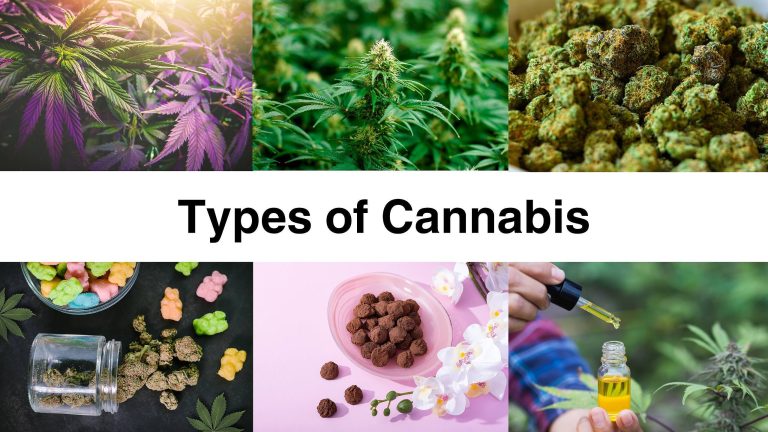
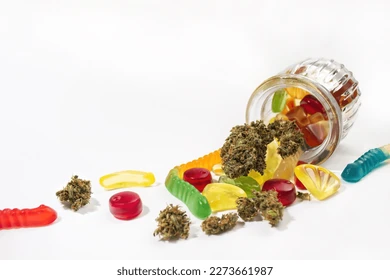
- Experiment with delivery methods: Edibles, tinctures, or topicals may provide longer-lasting relief, while vaping or smoking offers faster effects.
- Consult professionals: Athletes should seek medical guidance, especially if competing in organizations with strict regulations.
Beyond Relaxation: A Holistic Recovery Approach
THC should not be seen as a stand-alone solution for recovery. Instead, it works best when paired with established recovery practices like hydration, nutrition, stretching, and mental health care. When integrated thoughtfully, THC may enhance both the physical and mental aspects of recovery, helping athletes return stronger and more energized.
Conclusion
Athletic recovery is more than just easing sore muscles—it’s about addressing the body and mind as a whole. THC, often associated only with muscle relaxation, has the potential to support recovery on multiple fronts, from reducing pain and inflammation to enhancing sleep and mental well-being. While it is not without risks, responsible and intentional use may make THC a valuable addition to an athlete’s recovery toolkit.