The search for alternative treatments for ADHD (Attention-Deficit/Hyperactivity Disorder) has led to growing interest in microdosing edibles, including those containing THC, CBD, and psychedelics like LSD. While mainstream medical consensus is cautious, anecdotal reports and emerging research offer a complex and sometimes contradictory picture.
What Is Microdosing?
Microdosing refers to taking very small (sub-perceptual) doses of psychoactive substances—often at levels that do not produce overt intoxication—to potentially achieve subtle improvements in cognitive or emotional functioning. Edibles infused with THC, CBD, or LSD are among the most discussed options.
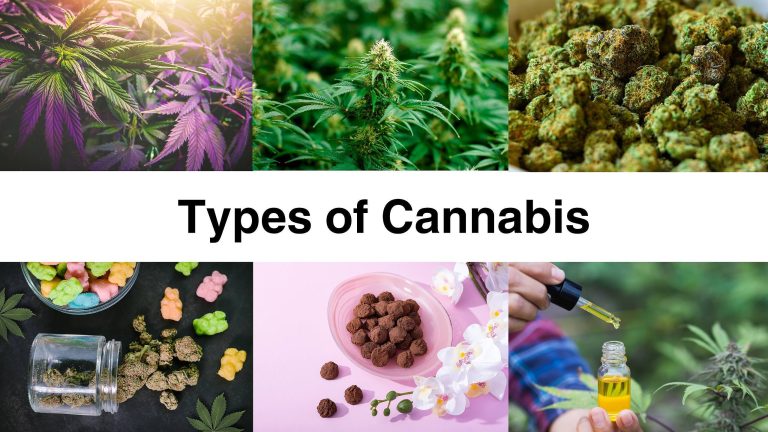
Microdosing THC and CBD Edibles
THC Edibles
- Some adults with ADHD use THC edibles and report immediate relief from symptoms like restlessness, hyperactivity, and mental frustration.
- Survey data show that approximately 92% found acute (short-term) cannabis use improved certain symptoms, but only 35% saw overall improvement with chronic use. A notable percentage also reported worsened memory and inattention with regular use.
- There’s evidence that higher-dose cannabis (medical use) may allow some individuals to reduce or stop ADHD medications, particularly for those using products containing cannabinol (CBN) and other cannabinoids, rather than THC alone.
- Risks include impaired decision-making, possible long-term cognitive issues, and a higher likelihood of developing cannabis use disorder, especially in those with ADHD.
CBD Edibles
- CBD, which is non-psychoactive, has been associated in some studies with anxiety reduction and possible improvements in sleep and appetite.
- Self-reports indicate that CBD-rich edibles may help manage ADHD symptoms modestly, but consistent, robust clinical evidence is lacking, and most studies involve small sample sizes or are survey-based.
Microdosing LSD Edibles
Emerging Trends
- Microdosing LSD (typically via edibles) has become popularized based on anecdotal claims of enhanced focus, creativity, and mood in various populations, including those with ADHD.
- A self-report study found that microdosing psychedelics over four weeks led to a greater reduction in ADHD symptom severity compared to users of standard medications. However, these studies lack strong controls and largely rely on participant self-assessment.
Clinical Evidence
- Multiple recent, well-designed placebo-controlled clinical trials now indicate that microdosing LSD does not improve ADHD symptoms more than placebo. In studies using repeated low doses (e.g., 20μg LSD twice weekly for six weeks), both placebo and LSD groups reported reduced symptoms, but the difference was not statistically significant.
- Participants commonly experienced mild side effects such as headache, fatigue, nausea, and, in some cases, subjective impairment that led to cessation of treatment.
- The strong placebo response noted suggests that expectation and media influence may play a significant role in perceived benefits of microdosing for ADHD.
Table: Microdosing Edibles for ADHD—Reported Effects
| Edible Type | Anecdotal Benefits | Clinical Evidence | Key Risks/Drawbacks |
|---|---|---|---|
| THC edibles | Improved restlessness, reduced frustration | Acute improvement reported; no robust clinical support | Memory/inattention issues, dependency, legal risk |
| CBD edibles | Possible anxiety and sleep relief | Limited, low-quality evidence | Insufficient evidence, possible inattentio |
| LSD edibles | Subjective focus, creativity, mood | No improvement over placebo in trials | Headaches, nausea, legal risk, expectation bias |
Anecdotal vs. Clinical Findings
- Anecdotal evidence consistently points toward some perceived, short-term relief from ADHD symptoms with microdosing certain edibles, particularly for restlessness and hyperactivity.
- Controlled trials have largely failed to demonstrate a genuine pharmacological benefit of microdosing—especially LSD—over placebo for ADHD, suggesting expectation and bias may explain much of the benefit.
Limitations and Cautions
- Long-term effects and safety profiles of microdosing (for any substance) in ADHD are still largely unknown.
- Combination with prescription stimulants can entail additional risks.
- Many reviewed substances are illegal in most jurisdictions and unregulated in composition, posing risks of inaccurate dosing and contamination.
- Use in children and adolescents is discouraged due to potential for adverse developmental effects.
Conclusion
While microdosing edibles (THC, CBD, LSD) for ADHD is an emerging trend, especially in online communities, current evidence does not support their effectiveness over placebo in rigorous clinical studies. Anecdotal reports of benefit are widespread, but these are counterbalanced by risks and the strong influence of placebo and expectation. Anyone considering these strategies should consult with their healthcare provider and be mindful of legal and health-related risks.