In a world saturated with fast-paced living, overstimulation, and constant digital noise, anxiety has become a common emotional undercurrent. While pharmaceuticals like SSRIs and emerging treatments such as ketamine therapy are gaining popularity, many are exploring plant-based alternatives—especially THC-rich cannabis—as a gentler tool for managing anxiety and resetting emotional balance.
But can THC, the primary psychoactive component of cannabis, truly offer a milder emotional reset compared to psychedelics like LSD, DMT, or clinical options like ketamine? Let’s explore the science and lived experiences behind THC’s effects on anxiety, and how it compares to other consciousness-shifting substances.
The Anxious Mind: Why Emotional Reset Matters
Anxiety is more than just feeling nervous. It involves:
- Overactive thought loops
- Heightened cortisol (stress hormone) levels
- Difficulty relaxing or “switching off” the mind
- Emotional dysregulation and fear-based perception
A true emotional reset doesn’t suppress emotions — it helps the mind reframe, release, and return to balance. This is where tools like THC, LSD microdoses, DMT breakthroughs, and ketamine infusions come into play — each with different levels of intensity and therapeutic potential.
THC: A Gentle Path to Emotional Recalibration
When used intentionally and in low to moderate doses, THC can:
- Decrease overactive brain circuits, similar to how LSD and DMT disrupt default mode network (DMN) activity
- Induce a mellow detachment from anxious thinking
- Enhance present-moment awareness and sensory grounding
- Provide emotional access to repressed feelings without full psychedelic overwhelm
In this way, THC acts like a bridge between sober awareness and deeper introspective states — not as intense as a DMT breakthrough, but more accessible and manageable for daily use.
Comparing THC to LSD, DMT, and Ketamine
🧠 LSD: Structured Expansion
LSD (lysergic acid diethylamide) is a potent psychedelic that dramatically shifts perception, cognition, and emotion. It:
- Suppresses the default mode network, leading to ego-dissolution
- Enhances pattern recognition and emotional insight
- Can feel overwhelming, especially for those with underlying anxiety disorders
THC vs. LSD:
- THC offers subtle emotional rebalancing, not deep deconstruction
- LSD may uncover the root causes of anxiety, but requires integration
🔮 DMT: The Breakthrough Molecule
DMT (dimethyltryptamine) is fast-acting and profoundly intense. Many users report:
- Mystical experiences and ego-dissolution
- Deep emotional clarity post-trip
- Short duration, but difficult to control or predict
THC vs. DMT:
- THC is grounded and gradual, allowing anxiety relief in real time
- DMT offers radical resets, but the intensity can trigger anxiety if not used in safe, ceremonial settings
💉 Ketamine: The Clinical Dissociative
Ketamine is a dissociative anesthetic now used in clinical settings for treatment-resistant depression and anxiety. It:
- Temporarily disconnects users from negative thought loops
- Creates a feeling of emotional neutrality and objectivity
- Is often used in structured therapy environments
THC vs. Ketamine:
- THC is less dissociative, and more emotionally embodied
- Ketamine offers quick results but may feel emotionally numb; THC allows for gentler emotional expression
How THC Supports Anxiety Relief
✅ 1. Interrupts Thought Loops
Low-dose THC helps calm overthinking and allows the mind to observe thoughts rather than be consumed by them.
✅ 2. Eases Somatic Tension
THC promotes muscle relaxation and parasympathetic nervous system activation, allowing the body to release stored stress.
✅ 3. Encourages Emotional Reprocessing
By softening the mental filter, THC helps some users access, feel, and let go of emotional build-up without needing a full-blown trip.
✅ 4. Offers Day-to-Day Support
Unlike LSD or DMT, which require set/setting and recovery time, THC can be used in moderation, making it practical for day-to-day stress management.
Choosing the Right Cannabis Product for Anxiety
Not all cannabis products are equally effective for anxiety. High-THC, low-CBD strains can worsen symptoms. The ideal profile includes:
- Balanced THC/CBD ratio (1:1 or 2:1 THC to CBD)
- Terpenes like linalool, myrcene, and beta-caryophyllene (calming)
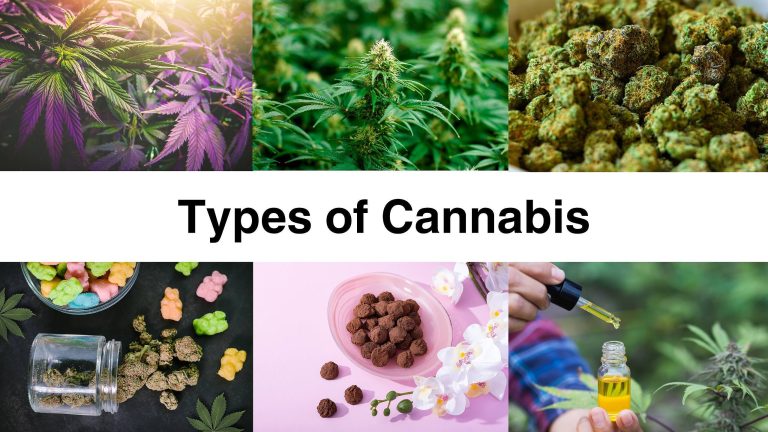
- Low-dose formats: 2.5–5mg THC in edibles, tinctures, or vapes
Strains like Harlequin, ACDC, or Granddaddy Purple are often reported as anxiety-relieving.
THC as an Emotional Reset Tool: Final Thoughts
THC, when used consciously, may not offer the radical ego-shedding of LSD, the cosmic intensity of DMT, or the numbing dissociation of ketamine — but its strength lies in subtlety.
It provides a gentler doorway to emotional relief, self-reflection, and nervous system reset. For many, this is more approachable and sustainable than deeper psychedelic work.
In the right set and setting — and with clear intention — THC can help loosen the mental knots of anxiety, offering a softer, more integrated path to emotional balance.