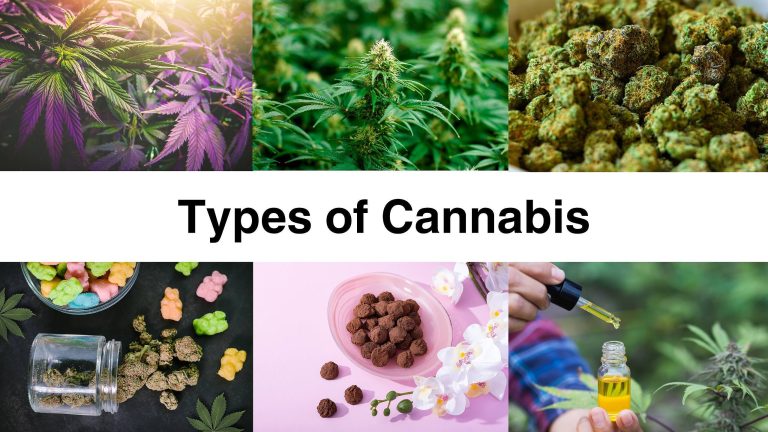
Lucid dreaming—the ability to become aware that you are dreaming and even control the dream—has fascinated people for centuries. From spiritual practices to modern psychology, many methods have been explored to unlock this state of consciousness. In recent years, some have wondered whether cannabis could be a tool for enhancing lucid dreams. But does science back this idea, or is it just speculation? Let’s explore.
Understanding Lucid Dreaming
A lucid dream happens when a person realizes they are dreaming, often gaining the ability to influence the dream environment. Lucid dreaming is linked to REM (Rapid Eye Movement) sleep, the stage of sleep when most vivid dreams occur. Techniques like reality checks, meditation, dream journaling, and supplements such as melatonin or galantamine are commonly used to boost the chances of lucid dreaming.
Cannabis and Sleep Cycles
Cannabis interacts with the body’s endocannabinoid system (ECS), which regulates mood, memory, and sleep. THC (tetrahydrocannabinol), the primary psychoactive compound in cannabis, tends to reduce REM sleep while increasing deep slow-wave sleep. This is why many frequent cannabis users report fewer vivid dreams or no dreams at all.
Interestingly, when heavy cannabis users stop consumption, they often experience REM rebound—a surge of intense, colorful, and sometimes lucid dreams as the brain compensates for previously suppressed REM sleep.
Cannabis for Lucid Dreaming: The Arguments
The Case For
- REM rebound after abstinence: Stopping cannabis after frequent use may trigger vivid and sometimes lucid dreams.
- CBD’s role in relaxation: CBD, another major cannabinoid, may help reduce anxiety and improve sleep quality, potentially creating a more stable environment for lucid dreaming.
- Subjective reports: Some individuals claim certain strains (especially those with balanced THC and CBD) lead to more dream awareness.
The Case Against
- REM suppression: Regular cannabis use tends to reduce the dream phase of sleep, making lucid dreaming less likely.
- Inconsistent effects: Results vary widely between individuals, strains, and dosages.
- Lack of scientific studies: There is no strong clinical evidence proving cannabis enhances lucid dreaming directly.
Practical Insights for Dream Explorers
If your goal is to experiment with lucid dreaming, cannabis might play a role—but likely in an indirect way. For example:
- Try dream journaling during a cannabis break: Abstaining for a few nights can trigger REM rebound and more vivid dreams, which may boost chances of lucidity.
- Experiment with strains carefully: Some anecdotal reports suggest that sativa-leaning strains may stimulate creativity and dream recall more than heavy indicas.
- Mindset matters: Pairing cannabis with intention-setting, meditation, or reality checks may improve outcomes.
Final Verdict: Fact or Fiction?
The idea that cannabis directly enhances lucid dreaming leans more toward fiction. Science shows that regular cannabis use tends to suppress the dream phase, which works against lucidity. However, the REM rebound effect after stopping cannabis can create bursts of vivid dreams, sometimes leading to lucidity.
In short, cannabis is not a reliable tool for inducing lucid dreams, but it may influence dream patterns in ways that some individuals can harness. For those serious about lucid dreaming, traditional methods like dream journaling, reality checks, and sleep optimization remain the most effective strategies.