Recent studies have shown that LSD may offer significant benefits in treating anxiety disorders. A landmark clinical trial demonstrated that a single dose of LSD led to highly effective and rapid reduction of anxiety symptoms, with results still present up to 12 weeks later. In this study, 65% of participants reported reduced anxiety, and nearly half no longer met the criteria for an anxiety disorder three months after administration. Notably, these effects occurred with only minor side effects, earning LSD “breakthrough therapy” status from the FDA for this application.
Further research, including randomized controlled trials, has shown sustained reductions in anxiety, especially in those living with life-threatening illnesses. In these settings, participants often report not only less anxiety, but also improved quality of life and enhanced emotional processing.
Why LSD Edibles Might Feel Gentler or More Controllable
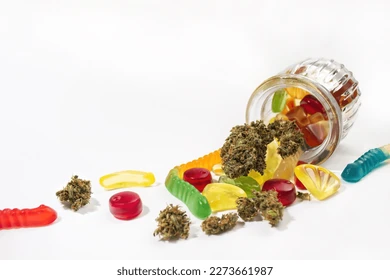
LSD edibles—including gummies or chocolates—deliver LSD via oral ingestion. Compared to traditional methods (such as blotter paper under the tongue), edibles can offer several practical benefits that may make the experience feel more manageable for those seeking relief from anxiety:
- Slower Onset: Oral consumption leads to a gradual rise in effects, which may reduce the likelihood of sudden, overwhelming sensations.
- Precision Dosing: Edibles are typically formulated with standardized doses, making microdosing (very low, sub-hallucinogenic dosing) easier and potentially lowering the risk of accidental high dosing.
- Discreet Use: Edibles are less conspicuous and often preferred by those who want privacy and convenience.
Microdosing (taking very low doses) is particularly popular for anxiety management, with users hoping for mood stabilization and emotional resilience without dramatic perceptual changes. Early research and self-report data point to possible benefits—such as improved emotional balance and reduced anxiety—though controlled studies have found variable results and often show that perceived benefit may be shaped by expectation and context.
Neurobiological Insights
LSD reduces amygdala reactivity—the brain’s “fear center”—to negative stimuli, which may explain its role in lessening anxiety. fMRI studies have confirmed this direct effect, and these brain changes have been linked to both acute and lasting improvements in mood and anxiety-related symptoms.
Safety, Risks, and Limitations
- Short-Term Use: Most clinical studies report minimal, transient side effects and no serious complications when LSD is administered in controlled medical settings. The most common effects include mild anxiety, headaches, and occasional nausea.
- Unsupervised Use: Using LSD edibles outside of medical oversight poses risks. Set (mindset), setting (environment), personal history, and dose all impact whether an experience feels therapeutic or anxiety-provoking. Higher doses, incorrect timing, or stressful environments can trigger acute anxiety and other adverse effects.
- Tolerance: Repeated frequent use can lead to rapid tolerance, reducing effectiveness over time.
- Legality: LSD is a controlled substance in most regions, and possessing or consuming it without medical approval has legal consequences.
Key Takeaways
- LSD, including in edible form, shows significant promise for rapid, sustained anxiety relief—particularly in clinical settings and with precise dosing.
- Edibles may feel gentler and more controllable due to gradual onset and precise dosing, which could lower the risk of overwhelming sensations common with other delivery methods.
- Microdosing edibles is popular, but scientific support for long-term anxiety relief at low doses is not as strong as for full-dose, clinically supervised protocols.
- All use of LSD outside medical research remains illegal and should be approached with caution due to possible psychological effects and legal risk.
Disclaimer: The use of LSD—especially outside clinical trials or without professional supervision—carries legal and health risks. If you are experiencing anxiety, consult with a licensed healthcare provider for safe and evidence-based treatments.