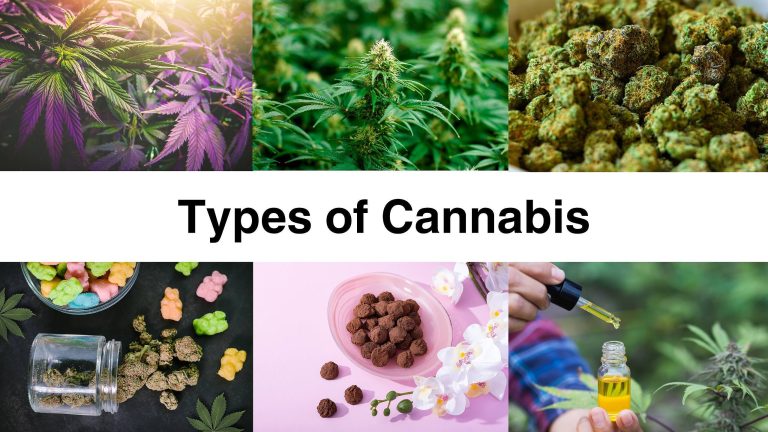
In the wellness and self-development space, microdosing cannabis is emerging as a mindful alternative to traditional recreational use. Instead of consuming large amounts for strong effects, microdosing focuses on small, controlled doses that enhance mood, focus, and creativity — without overwhelming intoxication. This approach is part of a broader exploration of intentional living, where individuals choose substances and practices with purpose and care.
What Is Microdosing Cannabis?
Microdosing cannabis means taking a very low dose of THC or CBD — often just enough to feel subtle benefits without impairing daily functioning. This could be as little as 1–2 mg of THC or a few drops of CBD oil. The goal is to:
- Improve mental clarity and productivity
- Enhance creativity
- Support emotional balance
- Reduce stress and anxiety
How It Compares to Other Substances Like MDA or Tusi
Some wellness communities discuss how cannabis microdosing differs from other psychoactive experiences, such as MDA or tusi:
- MDA – Known as the “love drug,” MDA can create intense empathy, energy, and sensory enhancement. However, it’s typically used in larger doses for recreational settings, not daily microdosing.
- Tusi – Sometimes called “pink cocaine,” tusi is a synthetic party drug that combines stimulants and psychedelics. It’s recreational and high-intensity — the opposite of cannabis microdosing’s calm, functional approach.
- Cannabis – When microdosed, cannabis supports focus, creativity, and mindfulness without the overstimulation or harsh comedown of heavier substances.
Microdosing Cannabis for Pain Relief
One of the most promising uses of cannabis microdosing is as a natural pain killer. Small, consistent doses may help:
- Reduce inflammation
- Manage chronic pain conditions
- Support recovery after workouts
- Improve sleep quality by reducing nighttime discomfort
Unlike high doses, microdosing allows you to benefit from cannabis’s pain-relieving effects without strong sedation or loss of mental clarity.
Best Practices for Microdosing Cannabis
- Start Low and Go Slow – Begin with the smallest dose possible and gradually adjust.
- Choose the Right Ratio – A balanced THC/CBD product can provide pain relief without overwhelming psychoactivity.
- Track Your Experience – Keep a journal to monitor effects on mood, focus, and pain.
- Stay Intentional – Use cannabis as part of a broader wellness plan, alongside good nutrition, exercise, and mindfulness practices.
Safety and Legal Considerations
- Always check your local laws regarding cannabis use.
- Avoid mixing cannabis with MDA, tusi, or other substances without professional guidance — combinations can have unpredictable effects.
- If using cannabis as a pain killer, consult with a healthcare provider for proper dosage and strain selection.
Final Thought:
Microdosing cannabis isn’t about chasing a high — it’s about creating a steady, supportive relationship with the plant. Compared to high-intensity substances like MDA or tusi, cannabis microdosing offers a gentler, more sustainable way to boost mood, manage pain, and live with intention. With mindful use, this approach can become a powerful tool for enhancing both daily life and long-term well-being.